
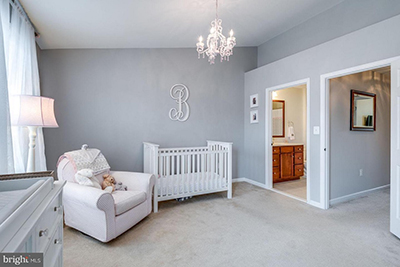
A fresh hue can transform any room, making it feel more vibrant, cozy, or even luxurious. But with so many options out there, choosing the right paint, sheen, and colors can feel a little overwhelming. Don’t worry, though — we’ve got the inside scoop on the latest trends in interior painting, plus tips on what paints to use where, the hot colors of the year, and how much it’ll cost to get your place looking like new.
What’s Hot in Interior Paint Trends for 2024
The world of interior painting is always evolving, with new trends emerging every year. In 2024, there’s a lot of focus on creating spaces that feel warm, inviting, and reflective of your personality. Here are a few trends to keep an eye on:
1. Earthy, Warm Tones:
After years of cool neutrals and grays, we’re seeing a shift towards warmer, earth-inspired colors. Think terracotta, clay, and soft, dusty greens. These hues create a welcoming atmosphere that makes any space feel more grounded and cozy.
2. Moody, Deep Blues and Greens:
Dark and rich shades are making a comeback—especially when it comes to accent walls or even entire rooms. Navy, forest green, and deep charcoal give a sense of sophistication and drama while still feeling inviting.
3. Statement Ceilings and Bold Colors:
We’re not just painting walls anymore. People are starting to get creative with ceilings, turning them into unexpected focal points. Soft blues, pinks, or even bold patterns are adding personality and charm to rooms. It’s a great way to make a statement without overwhelming the entire space.
4. Glossy Finishes for Modern Vibes:
High-gloss and semi-gloss finishes aren’t just for trim anymore. They’re being used more frequently on doors and even cabinetry. A glossy finish reflects light and creates a modern, polished look that’s perfect for contemporary homes.
Choosing the Right Paint and Sheen
One of the first things to consider when painting any room is the type of paint to use. Here’s a quick guide to help you choose the right type for each area in your home:
1. Paint Type:
- Latex Paint (Water-Based): This is the most common and easy-to-use option for most interior walls. It’s quick-drying, low in VOCs (volatile organic compounds), and easy to clean up. Great for living rooms, bedrooms, and hallways.
- Oil-Based Paint: While not as popular for most interiors anymore, oil-based paints are still used for trim, doors, and cabinets due to their durability and smooth finish. Just know that they take longer to dry and have a stronger odor.
2. Paint Sheen:
Choosing the right sheen is just as important as picking the color. The sheen impacts both the look and durability of the paint. Here’s a quick rundown:
- Flat/Matte Finish: Perfect for low-traffic areas like bedrooms or ceilings. It absorbs light, giving a soft, smooth look but isn’t the easiest to clean.
- Eggshell Finish: This finish offers a subtle sheen and is a good choice for living rooms, dining rooms, and other spaces with moderate traffic. It’s easy to clean and has a soft look.
- Satin Finish: A step up from eggshell, satin is ideal for spaces with higher traffic—think kitchens, bathrooms, and hallways. It has a nice, soft shine that makes it easy to wipe down.
- Semi-Gloss: Great for trim, doors, and cabinets, as it can withstand a lot of wear and tear while offering a smooth, shiny finish.
- High-Gloss: This finish is sleek and reflective, and it’s typically used for high-impact areas like trim, moldings, and doors. It shows every little imperfection, though, so be sure your surface is smooth.
Color of the Year for 2024
Every year, top paint brands like Behr, Sherwin Williams, and Benjamin Moore announce their Color of the Year, and these hues can be great inspiration for your next paint project. Here are the top picks for 2024:
- Behr – "Gray Owl" (PPU26-08): A sophisticated and balanced gray that’s perfect for creating a neutral backdrop while still offering warmth and personality.
- Sherwin Williams – "Redend Point" (SW 9081): A soft, earthy, pink-beige that evokes feelings of calm and comfort. It’s perfect for living rooms and bedrooms, offering warmth without feeling overwhelming.
- Benjamin Moore – "Raspberry Blush" (2008-30): A bold, vibrant coral-pink that adds a sense of energy and playfulness to any room. Great for accent walls or to add a pop of color to a more neutral space.
We limit ourselves in this post to only these three brands. Just because they are more popular. But there are plenty of others like Farrow and Ball, Dunn- Edwards, C2 Paints to name a few.
How Much Does It Cost to Paint a House?
If you’re thinking about hiring a pro or tackling the job yourself, knowing what to expect cost-wise can help you plan your project. Here's a general breakdown:
- DIY Painting Costs:
For a DIY job, the cost depends on the size of your home and the quality of paint you choose. On average, you’re looking at spending between $30 and $60 per gallon of paint. A typical room might require 1-2 gallons of paint. A good brush, a roller, a roller cage, an extension pole, paint trays and some drywall compound to cover imperfections. As well as sanding block, plastic or cloth tarps to cover floors and furniture. It adds up and even a small room project can cost around $200-300.
- Hiring a Professional Painter:
If you go with a pro, expect to pay between $2 to $6 per square foot (of the house, not the walls) for labor and materials. So, for an average 1,500-square-foot home, the cost could range from $2,500 to $9,000 for the entire interior. Of course, the cost will depend on the number of rooms, the quality of paint, and whether you’re painting just walls or also ceilings, trim, and doors.
What we do
First we will give you a detailed estimate and help you to choose the colors. When this is decided we prepair all the surfaces that are recieving paint. We patch all the nail holes, fix cracks and imperfections from previous painting, get rid of any stains, replace damaged drywall if needed. We also can take care of moldy areas. We paint with high-quality brushes and rollers. We use best tarps to cover floors and furniture to keep everything clean. And of course we clean up after the job is done.
What we do not do
We do not reuse rollers and brushes from other projects, we get new every time we paint. We DO NOT tape and do not recommend doing it. Tape bleeds meaning that paint might end up under the tape. It is also almost impossible to put the tape straight 100%. Here is a good example of what can happen when a painter applies tape: